Parshat Tetzaveh: Purim – Where We UnMask the Truth
Purim is the joyous holiday celebrating the victory of the Jewish people over their enemies led by Haman in the fourth century BCE Persia/Iran. It is a holiday of revelry and joy where we seem to go out of our way to deliberately dull our senses and blur our vision. How? By getting drunk.
In fact it is the only day of the year where we are told by the Talmud to get drunk. And not just a little tipsy but really drunk. So drunk that we reach a confused state of mind where we cannot clearly differentiate between “Blessed is MordechaI (Purim’s hero) and Cursed is Haman (Purim’s villain).”
This is not a blanket condoning of consumption of alcohol, especially for those who cannot use it for a proper purpose. But getting drunk sometimes can have its benefits and provide us with some insight. Interestingly, those opposite phrases in Hebrew, Baruch (Blessed is) Mordechai and Arur (Cursed is) Haman happen to have the same Gematria – the numerical system whereby letters are assigned number equivalents, thereby giving words a sum total when all the letters/numbers are added up. Both phrases of Baruch Mordechai and Arur Haman have the same sum of 502. Hmm… implying that we can very well confuse the two.
This theme of mystery and confused identities shows up in many ways on Purim:
- Esther is given explicit instructions by Mordechai not to reveal to King Achashverosh that she is Jewish. It is never explained why exactly Mordechai is so adamant about this.
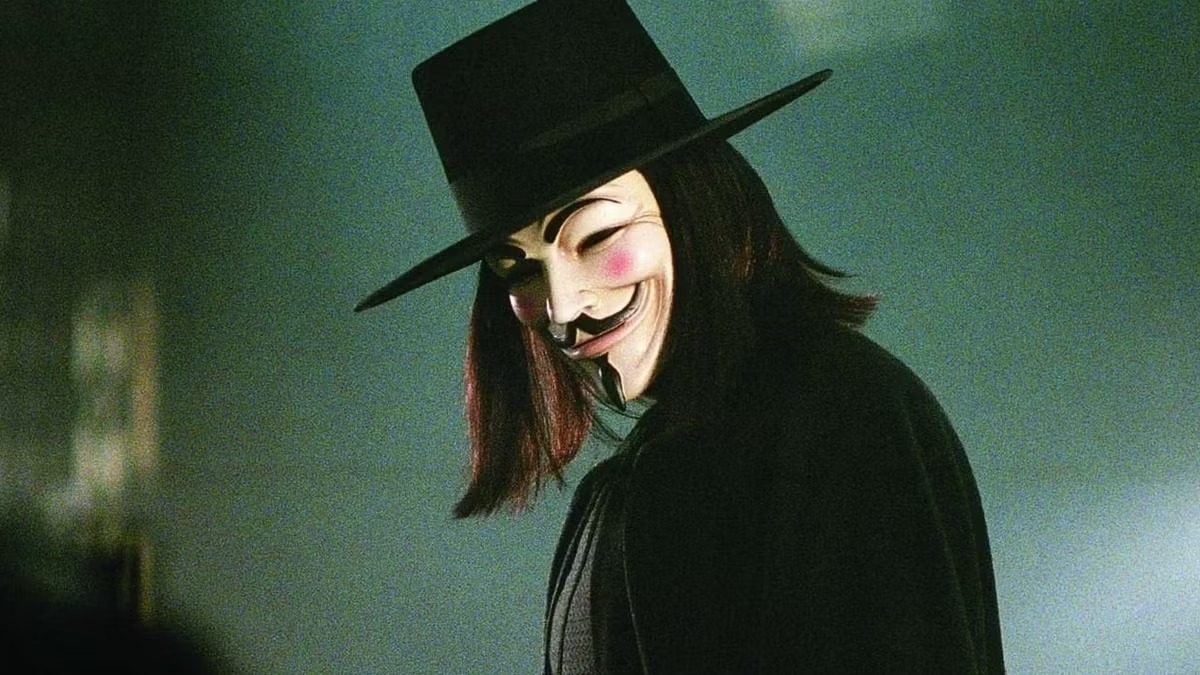
- We wear masks and dress up in costumes on Purim, hiding (or revealing, perhaps?) our true selves to the outside world.
- Mordechai’s great act of loyalty to King Achashverosh when he saved him from a ruthless plot on the King’s life is hidden and forgotten from the King until much later. When it finally is revealed, there is a status switcheroo where Mordechai is finally rewarded in a manner that evil Haman thought was due for himself. It is Mordechai riding in the King’s Rolls Royce with Haman as the chauffer and not the other way around.
- The Talmud claims how we even have our holidays mixed up. It makes a play on the name,Yom Kippur, calling it Yom K’Purim – literally “a day like Purim”. It is very odd that the Talmud would suggest a relationship between these two as you cannot get more opposite days in the Jewish calendar. Yom Kippur is the most serious day during the year and Purim seems to be the least. Yom Kippur is somber whereas Purim is levity and carnival. On Yom Kippur we do not eat, drink, or wash, and we stay in synagogue all day reviewing our foibles and begging for forgiveness. On Purim we eat and drink to excess, and party with our friends. No two holidays could be more polar opposites of one another and yet the Talmud insists that they are somehow joined at the hip.
Perhaps the mysterious nature of Purim hints of a larger confusion that is prevalent in our lives and in our world. Purim tells us that much of what we see, of what we perceive and of what we experience is backwards and that the only way of righting our vision is to turn ourselves upside-down and inside out. It asks us to realign our sight patterns so that we’re able to see things from a different and sometimes opposite perspective than we normally do. And indeed wine helps us accomplish this. It relaxes us and frees us to see and do things that we would otherwise not see or do. Sometimes for good but sometimes for not-so-good. A good glass (or two) of wine allows us to break free from the shackles of routine, social pressure and habit.
Purim is the only book in Tanach where God’s name is never explicitly mentioned and thereby the events of Purim very much mirror our own times where God’s face is hidden, Hester Panim in Hebrew. Indeed, the Hebrew term for “hidden”, hester sounds and shares its roots with Esther, the heroine of Purim. When God’s face is hidden, all the free expressions of God – Good, Truth and Reality – are relegated to the background, and all their opposites come to the fore. In a world of hester panim, Black is White, Good is Evil, and Fake is True.
We see this all the time on a global level, especially at that farcical world body, The United Nations. Hillel Neuer, founder of UN Watch repeatedly points out the surreal upside down perversions that regularly take place at the UN:
Most Targeted Country: Israel is heavily singled out, with more condemnations than the rest of the world combined. At the UN’s Human Rights Council between the years 2006–2024, 108 resolutions targeted Israel, compared to 45 for Syria, 15 for Iran, 10 for Russia, and 4 for Venezuela. In the General Assembly between the years 2015–2023 The UNGA adopted 154 resolutions on Israel, versus 71 for all other countries combined.
And in our personal lives as well, we too often succumb to living in a fake world where we spend inordinate amounts of time and energy doing things that aren’t part of our overall goals, aspirations and inner beliefs. Much of this can be best summed up in a quote attributed to Will Rogers: “Too many people spend money they don’t have, to buy things they don’t need, to impress people they don’t like.”
So on Purim we get drunk, we suspend our false notions of what is real and don our masks to become the truth that is hidden away throughout the year. Purim gives us the opportunity to turn things upside down, and thereby turn them right side up. It is the time where we let go of the so-called realities of life and grasp hold of the hidden truths that are buried under the lies of media, social pressure and fear.
Since the Destruction of the Temple,
Prophecy is to be found in the hands of Fools and Children
-The Talmud
Purim gives us the opportunity to look at our false priorities and, through our drunken lenses, stare and behold Truth and Good in all its reality. A clarity normally reserved for Children and Fools who are able to view life without any preconditions and with a purity of vision since they could care less about anyone else’s reactions to what they say or what they do. A purity so perfect that it can propel one to the highest levels of Truth and Good, thereby touching God Himself, which is what we would call Prophecy.
I can see clearly now the rain is gone
I can see all obstacles in my way
Gone are the dark clouds that had me blind
It’s gonna be a bright, bright
bright, bright sunshiny day
-Johnny Nash