
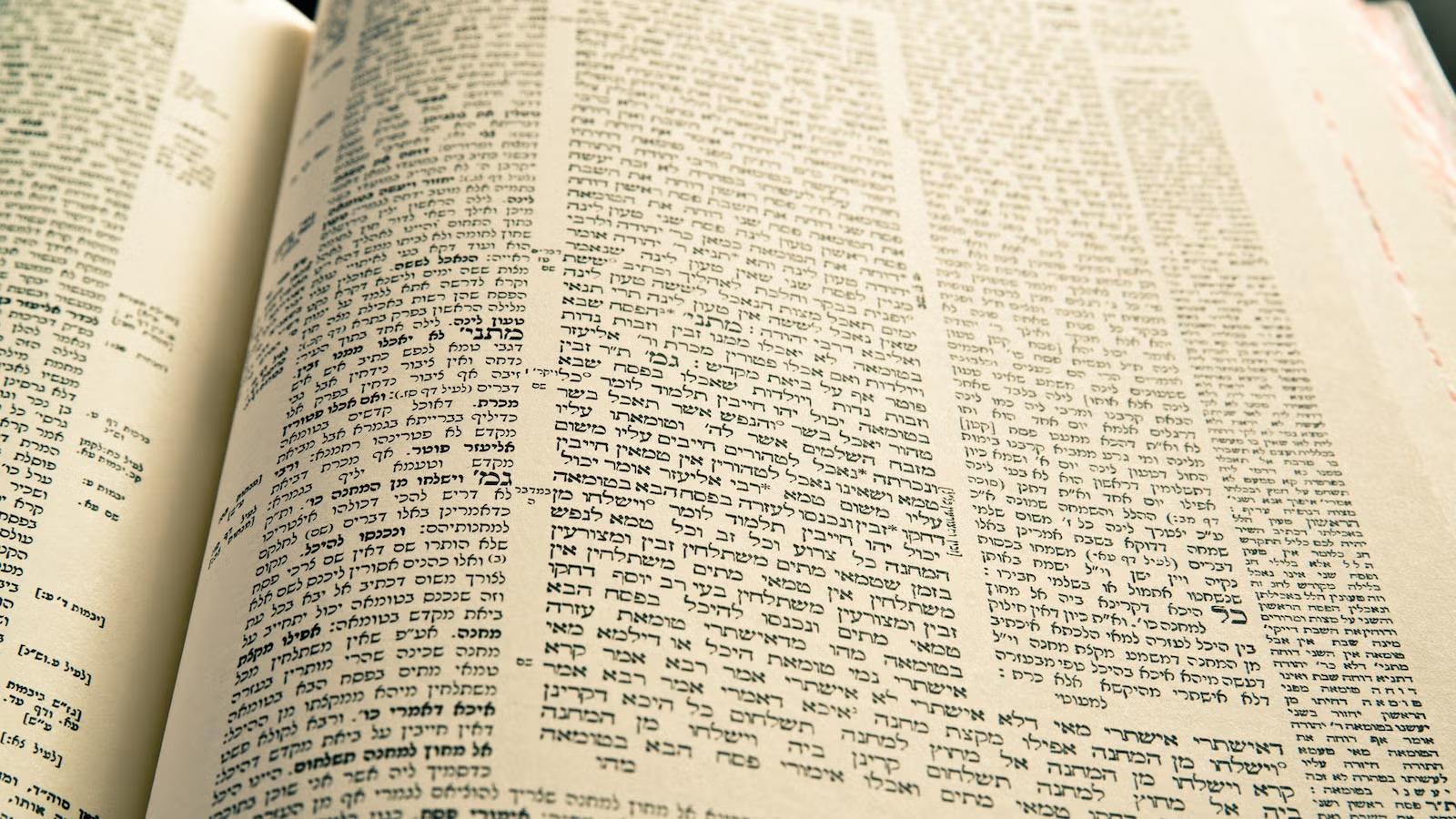
Parshat Mishpatim: Those Boring Bits of Torah
With this week’s parsha, the fun and exciting weekly Torah readings come to an abrupt end. The sagas and stories of the forefathers and foremothers as recounted in Bereshit, along with the drama of the growth, enslavement and miraculous redemption of the Israelites as told thus far in Exodus – all of it comes to a screeching halt. Parshat Mishpatim focuses on the nitty-gritty details of the mitzvot – the many commandments that animate the Torah, 613 in all.
Almost immediately after the most powerful and central event of Jewish history – hearing the 10 Commandments at Mount Sinai from God Himself – we are suddenly met with with intricate laws dealing with torts, those nasty goring oxen, assault and battery, theft, seduction, verbal abuse, judicial process, leasing and lending, medical expenses and lost wages in the event of an injury – to name just a few. Sounds more like Business Law 101 rather than anything religious.
This fusion of religion and law has long been an annoyance for those who wish to keep their religious experience more of a spiritual nature, as opposed to hair-splitting Talmudic discourse. Most people find meaning in the general moral and ethical principles of Judaism, but quickly tune out when they hear of many of its involved laws and regulations. These excruciating details of law might be great at training Jewish lawyers, but they are hardly what one would consider “spiritual”. As such, the endless laws are often viewed as sucking the life out of Judaism and removing the passion out of religion; transforming it into trivial regimen and detail.
I recall an example of this sentiment years ago among the comments on an article in The New York Times about the expanding Eruv around Brooklyn. Rocky from Seattle wrote:
As a Gentile, I don’t know which I find the most fascinating: the rigidity, the power imposition it reflects, the obsession or the rationalization. Whatever floats one’s boat spiritually.
In truth, this mitzva/law-laden part of the Torah in many respects defines our relationship with God and with being Jewish. Moreso in some ways than the dramatic Ten-Commandments moment we read about last week. It’s one thing to be religious and spiritual on a beach at sunset, in a church or synagogue or when God is directly communicating from a smoking mountain amongst lightning and thunder. But it’s a whole different challenge to be equally spiritual in our daily dealings with the people around us. It’s no biggie to be devout and God-like when the spirit moves you. But it’s quite another issue to infuse your daily actions with holiness and ethics.
The real challenge of being spiritual is the hard work that goes into understanding the moral truths, expressed in those seemingly boring and trivial laws, that is expected from us day in and day out, and to live that way consistently. Abstract laws may seem tiresome and petty, but they are the building blocks for a society to construct a culture based on truth and goodness – both clear expressions of God.
Too often we are fooled into believing that meaning in life is to be found only in the dramatic moments of Mount Sinai-like experiences. But we all know that most of life is spent in the trenches. Success at anything, be it art, science, business, marriage, raising kids or even properly painting a room, is wholly dependent on consistently abiding by the ongoing effort at working on the many details that go into achieving perfection.
Greatness is never achieved with a one-off dramatic spiritual or emotional awakening. It must always be accompanied by a daily commitment to detail, refinement and perfection. This is how great people become great.
NHL players are back in the Olympics. When we marvel at Sidney Crosby deflecting a puck out of the air, passed the goalie and into the net, it’s not a lucky bounce but rather it is something that he has spent hundreds of hours perfecting in practice. Watching Novak Djokovic or listening to Mark Knopfler perform is wonderful and entertaining, but it certainly wouldn’t be so if they didn’t spend countless hours, days, weeks, months and years perfecting the most minute details of their craft before they got on stage or on the court.
Similarly, Mishpatim gives us the practical means to express holiness in our daily dealings when faced with moral dilemmas, business practices and interactions with others. It is the means of providing a refined system of holiness in all aspects of our lives and not just for a few hours every week on a Saturday or Sunday morning.
It’s this attention to the details of the commandments and their many Halachot/laws that has made the Jewish people so powerfully connected to Judaism for thousands of years. All of these fine details have locked us into our Torah and the lofty goals that the Torah espouses. Our obsession of the finer points of each mitzva and halacha has been the crucial factor in keeping us tied to our purpose of being God’s Chosen People – a nation which has had the greatest impact on Mankind as a moral beacon for the world throughout the ages.
Holiness and Details – they go hand in hand. You cannot achieve the former without the latter.
You check out guitar George
He knows all the chords
Mind you it’s strictly rhythm
He doesn’t want to make it cry or sing
They said an old guitar is all he can afford
When he gets up under the lights to play his thing
We are the Sultans
We are the Sultans of Swing
–Dire Straits