
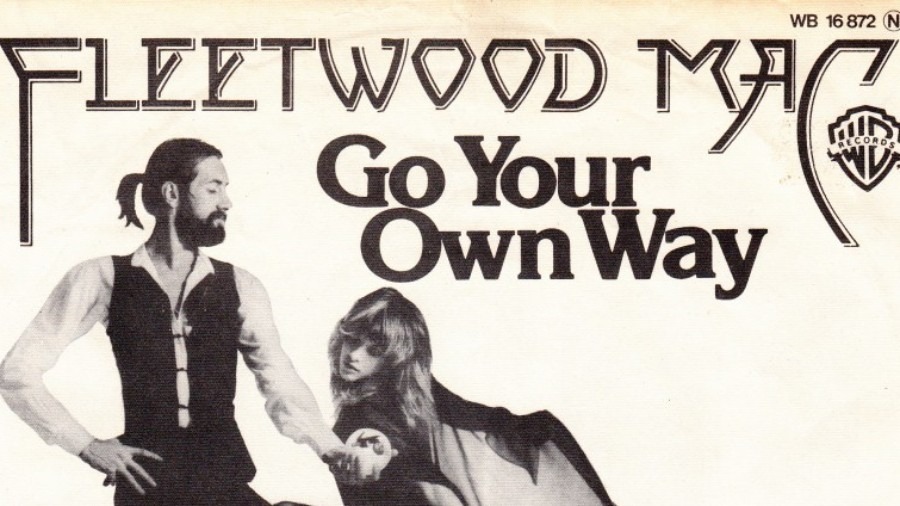
Parshat Chukat-Balak: Go Your Own Way
Go Your Own Way
In one of this week’s double parshas the Jewish people are confronted with an enemy of a different sort. Balak, the king of Moab, witnessing the success and power of the Israelites as they traveled in the desert, fears that his nation will be overrun. He summons a non-Jewish prophet, Bilaam to utilize his spiritual abilities and curse the Jews. (In 1967, a plaster inscription on the wall of a temple at Deir Alla in Jordan was found to make reference to the night vision of a seer called Bilaam ben Be’or – the earliest reference in archaeological sources to a named individual in the Torah.)
It’s ironic that Balak has the clarity to realize that physical might alone will not succeed against God’s Chosen People. He understands that God is the source of Israel’s triumphs and figures he must battle them on their own turf. Perhaps he can find a chink in their spiritual armour. To this end, he hires the well-known prophet, Bilaam to find that crack.
Bilaam informs God of the request but God tells him unequivocally not to join Balak. Bilaam rebuffs the job offer, telling Balak that God has instructed him that the effort would be futile inasmuch as Israel is a blessed people and not subject to curses.
Balak persists and sends more prestigious messengers, and this time with an even larger monetary gift should Bilaam comply. Faced with this possible windfall that will bring him financial security, Bilaam again makes his request of God to take the job and curse the Jews.
However this time God’s response is quite different. Instead of reiterating God’s earlier words of, “You shall not go with them. You shall not curse this people for it is blessed”, God now tells Bilaam, “If the men came to summon you, arise and go with them, but only the thing that I speak to you – only that you shall do.”
It seems a little bit odd that God would change His mind regarding Bilaam’s participation in this venture. Originally Bilaam gets an emphatic “No” to his request, yet upon a second ask by Bilaam, he gets an “O.K., but…” reaction from God.
Bilaam’s behavior is also strange since he received a very clear response of God’s wishes about the deal, yet he still persists to try and offer his services of cursing Israel. And sure enough, as the events transpire, it is not just once or twice but on three occasions where Bilaam attempts to curse Israel but instead is forced to bless them, just as God had warned him.
So the question remains, why would God change His mind, so to speak, and why would Bilaam persist in his desire to curse Israel despite God’s clear disapproval?
The Talmud states that בדרך שאדם רוצה לילך בה מוליכין אותו “In the path that a person chooses to take, God shall lead him along it.” This episode is a lesson in the power of Free-Choice and that God Himself doesn’t get in the way of that.
Free-Choice was given to enable people to be independent, and hence God-like. Nothing else in creation shares this unique quality of humans – not even angels and certainly not plants, animals or inanimate objects. Choice is so powerful that, even though God could overrule it, He doesn’t. We are the ultimate arbiters of our own fate. However we choose to make our bed, that is what we sleep in. Whatever we decide, God allows that door to remain open as a possibility. For the better, or sometimes even for the worse.
Lest you think that wrong choices are easier, Jewish tradition teaches us otherwise. It notes that it is easier to make the right choices in life over the wrong ones. The Talmud in Tractate Avodah Zara (55a) states that if “one comes to defile (i.e. do the wrong thing) – (the opportunity) is open for him to do so. But if one comes to make pure (i.e. do the right thing), then God assists him.”
No, God won’t necessarily get in the way of someone making an immoral choice. He will remain passive and allows it to happen. On the other hand, God will actively help someone who undertakes to do the right thing. We get Siyata Dishmaya, Heavenly assistance to do what is right, upstanding and moral. We don’t get that assist when doing what’s wrong, immoral and ignoble.
As with Bilaam, God may initially clearly show us the true and good thing when we are still unsure or deciding, and He will try to nudge us in the proper path. But if we insist on choosing the wrong path and have made up our mind about it, then He gets out of the way – even if we go against His good advice and wishes, as He did with Bilaam. But again, not when it comes to doing Mitzvot and doing good. Then He immediately jumps into action and helps us along.
Our choices really do make a difference to the outcome of our lives. We are not just the innocent victims of circumstance that some modern politicians would have us to believe. Our actions are the most significant and meaningful factors to what transpires in our lives. Free-will is necessary for us to achieve the greatest good – which is to be independent and hence God-like. In fact, this is what we mean when the Torah says that we are created in God’s image. We have choice. We can create, just like God creates, and hence be like Him and in His image.
Accomplishments mean nothing if I didn’t earn them myself. Nothing in the world, not even God, has the power to make me, me. The only being who has final say on what and who I will become is me. We may seek out, and indeed receive – sometimes without asking – all kinds of guidance and assistance, especially when we choose good. But ultimately we make our own choices, and if God forbid they are not the best ones, then not even Almighty God gets in the way of them.
When you think about it, we wouldn’t want it any other way because choice is the only thing that gives us pleasure and meaning to our accomplishments. The fact that I chose to make the right decisions that create the life that I make for myself is what living is all about. So choose wisely and never forget that God is right there to help us go down the right path.
Baby I’d give you my world
Open up
Everything’s waiting for you
You can go your own way
Go your own way
-Fleetwood Mac